Open now, calls taken 24/7 | AC repair in Titusville, FL

Home › AC Refrigerant Leak Repair
Calls taken 24/7 in Titusville, FL
AC Refrigerant Leak Repair in Titusville, FL
- Calls taken 24/7
- One city: Titusville, FL
- One trade: AC repair
Open 24/7
Calls answered day and night, weekends included.
Titusville only
Downtown, North, South, Mims, Port St. John, Scottsmoor.
AC repair only
Four repair services. One trade, done properly.
Book by phone
One call. No forms, no waiting on an email reply.

Local AC repair, day or night
Call now, open 24/7
- Calls answered day and night
- Diagnosis before any repair
- Cooling tested before we leave
While you wait
While You Wait for Help
Switch it off when it says so
Turn the system off if you see ice on the lines, water leaking from the indoor unit, or hear grinding or banging. Running it can turn a small fault into a bigger one.
Check the simple things
Look at the breaker panel, the outdoor disconnect, and the thermostat setting and batteries. Mention what you found on the call.
Keep cool and keep it clear
Close blinds on the sunny side, run ceiling fans, and keep the area around the outdoor unit clear so it can be reached and inspected.
Service includes
What This AC Refrigerant Leak Repair Service Includes
Refrigerant pressure readings, leak detection at joints, coils, and lines, the leak repair, recharging to the correct level, and a final pressure check. Calls are taken 24/7, including nights and weekends.
Adding refrigerant to a leaking system only buys time. AC refrigerant leak repair in Titusville is built around finding where the charge is escaping, because a system that is topped off without a repair will be low again soon.
Homes and businesses
AC Refrigerant Leak Repair for Homes and Businesses

For homes in Titusville
For a home, a refrigerant leak shows as weak cooling, ice on the lines, or a system that runs constantly without cooling the house. The leak is found and fixed, not just topped off, so the cooling lasts.
For businesses in Titusville
For a business, a refrigerant leak means rising discomfort and a system that runs without results. The leak is located and repaired, and the charge is set correctly so the system cools as it should.
Inside the visit
What AC Refrigerant Leak Repair Actually Involves
Refrigerant pressures are read first to confirm the system is low. The leak is located at joints, coils, or lines, the leak is repaired, the system is recharged to the correct level, and pressures are checked again before leaving.
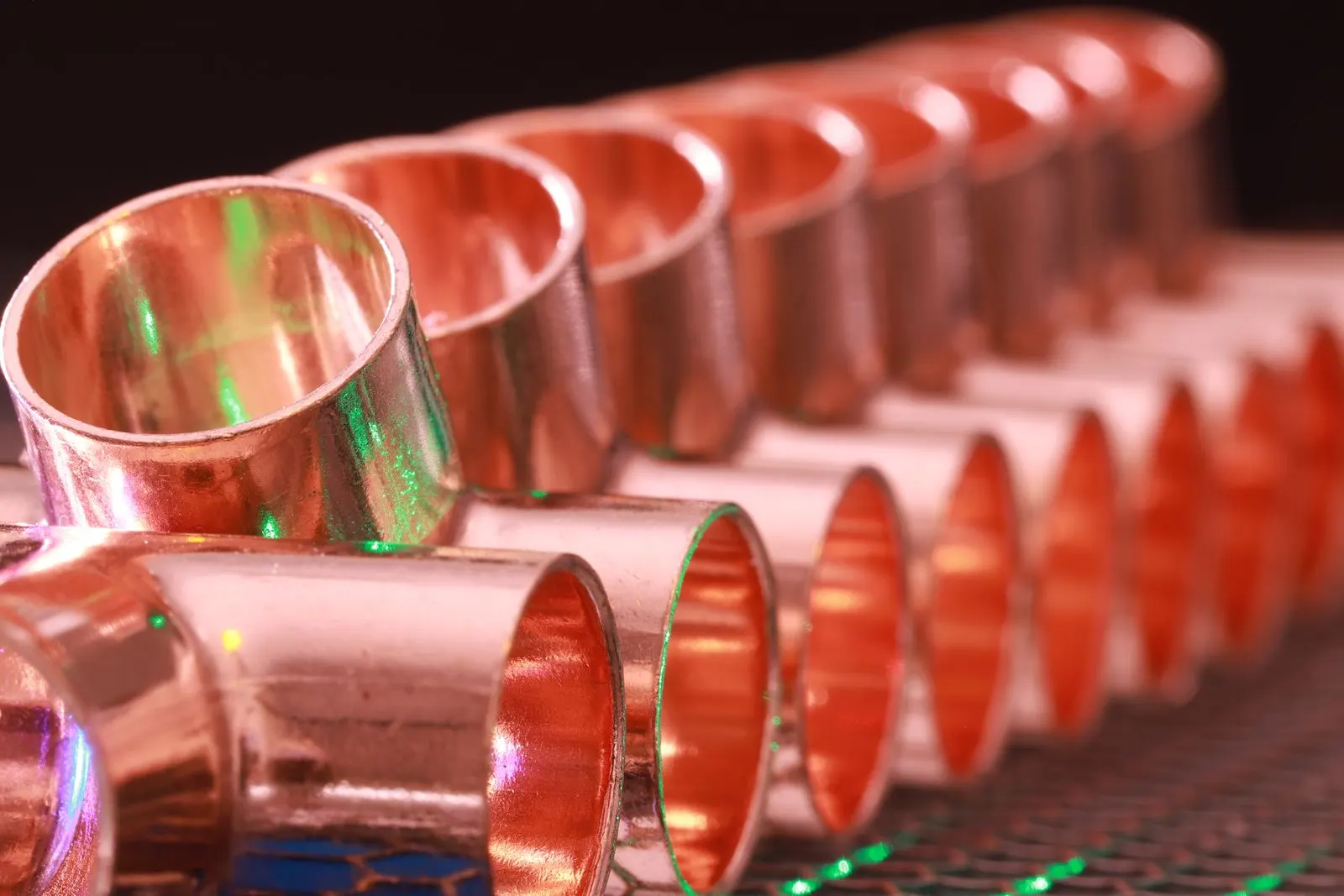
Leaks tend to form where metal meets metal or where the system vibrates: brazed joints, flare fittings, service valves, and the thin tubes inside the evaporator and condenser coils. In Titusville, salt air near the lagoon can also corrode outdoor coils over time. The leak location decides the repair.
How it works
How AC Refrigerant Leak Repair Works in Titusville
Call and describe
Call (321) 555-0100 and say what the AC is doing, which part of Titusville you are in, and when it started.
Check the thermostat and power
Thermostat settings, batteries, the breaker, and the outdoor disconnect are checked first, because the simple causes come first.
Diagnose on site
The indoor and outdoor units are inspected and tested with gauges and meters until the actual fault is found.
Fix and test the cooling
The repair is made, then the system runs while the air at the vents is measured to confirm it is cold.
Tools and methods
Tools and Methods We Use for AC Refrigerant Leak Repair
Manifold gauge set
Reads the refrigerant pressures on the high and low side of the system.
Multimeter
Tests capacitors, contactors, motors, and control voltage.
Thermometer and airflow checks
Measures the temperature split between the supply and return air.
Coil cleaner and drain tools
Clears dirty evaporator and condenser coils and clogged condensate lines.
When to call
When to Call for AC Refrigerant Leak Repair
- The AC blows warm air on a hot afternoon and the house keeps getting warmer.
- The outdoor unit hums but the fan does not spin.
- Ice forms on the copper lines and the airflow drops to almost nothing.
- Water pools under the indoor unit and the ceiling below shows a damp spot.
- You hear a hissing or bubbling sound near the indoor or outdoor unit.
Problems we fix
Problems This Service Fixes in Titusville
AC runs but the air is not cold
Usually a clogged filter, dirty coils, low refrigerant, or a compressor that is not engaging.
AC will not turn on at all
Often a tripped breaker, a blown fuse, a failed capacitor or contactor, or a thermostat that has lost power.
Ice on the indoor coil or copper lines
Low airflow from a dirty filter or blower problem, or a system low on refrigerant.
Water leaking around the indoor unit
A clogged condensate drain line, a full or cracked drain pan, or a coil that froze and is now thawing.
AC turns on and off every few minutes
Short cycling from thermostat placement, low refrigerant, a dirty coil, or a unit too large for the space.
What you receive
What You Receive After AC Refrigerant Leak Repair
- The leak located and repaired
- The system charged to the correct level
- Pressures checked again before we leave
- The work area left clean
- If ice was involved, the coil confirmed clear
Good to know
What to Know Before You Call
Filters first
A clogged filter starves the system of airflow. It is the simplest fix and the first thing checked, and it causes more weak cooling calls than any other part.
Ice means airflow or refrigerant
Ice on the coil or lines is a symptom, not the problem. It points to low airflow or low refrigerant. Turn the AC off and let it thaw before the visit.
Refrigerant is not used up
An AC does not burn through refrigerant like fuel. If the charge is low, there is a leak, and the leak must be found and fixed for the cooling to last.
Services
Other AC Repair Services in Titusville

Emergency AC Repair
AC dead in the Florida heat? Call any hour, day or night. The fault is diagnosed on site, repaired, and the cooling is checked before we leave.
Learn more →
AC Not Cooling Repair
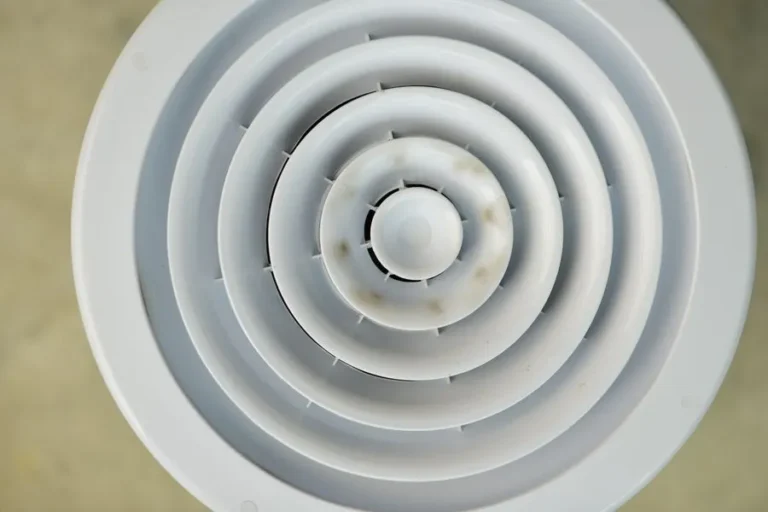
The unit runs but the air is warm. Airflow, coils, refrigerant, and the compressor are checked until the real cause is found and fixed.
Learn more →
Central AC Repair
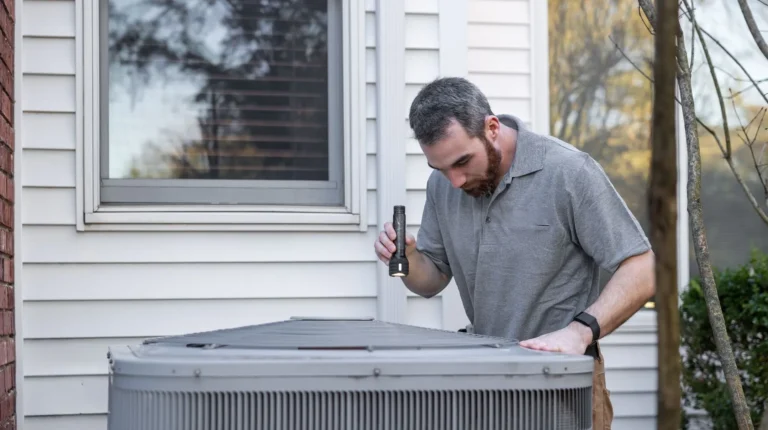
Air handler, condenser, ducts, thermostat, and controls. The whole central system is inspected, repaired, and tested as one.
Learn more →
One call, the right repair
Call now, open 24/7
- Calls answered day and night
- Diagnosis before any repair
- Cooling tested before we leave

Service areas
Areas We Serve for AC Refrigerant Leak Repair

Downtown
Homes and businesses near the lagoon and the historic downtown streets.
AC repair in Downtown →

North Titusville
Neighborhoods running north toward the wildlife refuge and the space center.
AC repair in North Titusville →
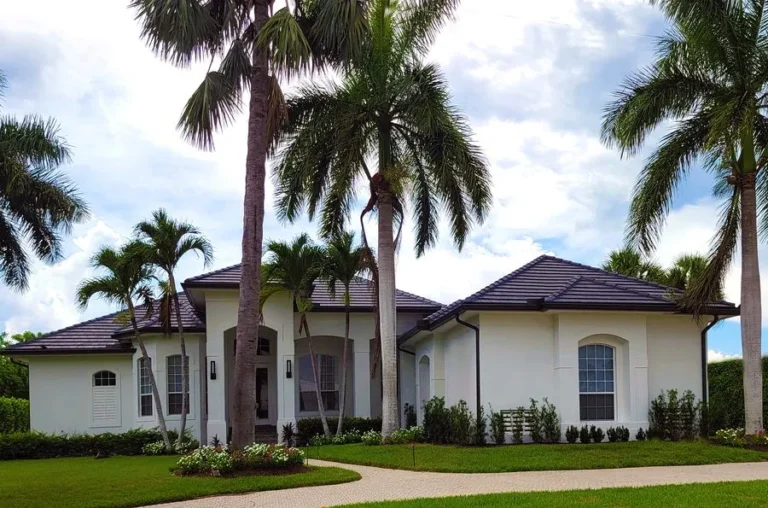
South Titusville
Established streets and newer homes along US-1 on the south side.
AC repair in South Titusville →
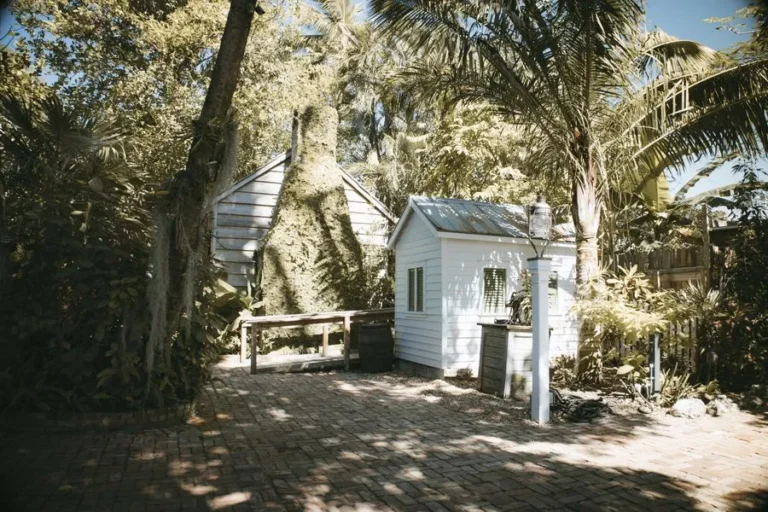
Mims
Rural lots and newer builds northwest of Titusville along US-1.
AC repair in Mims →
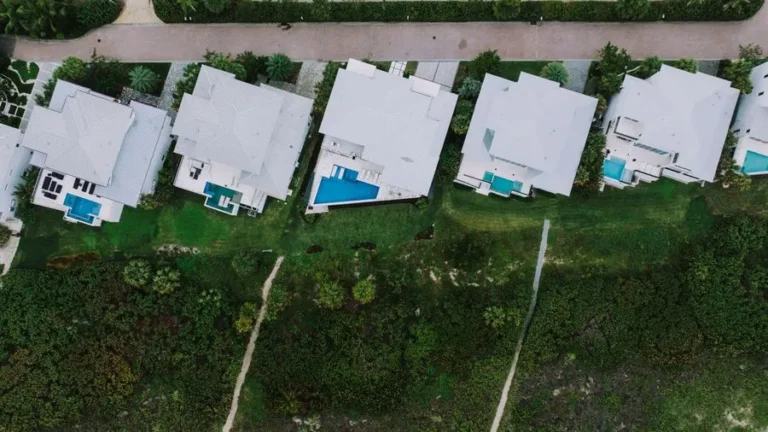
Port St. John
Residential streets south of Titusville along the Indian River.
AC repair in Port St. John →
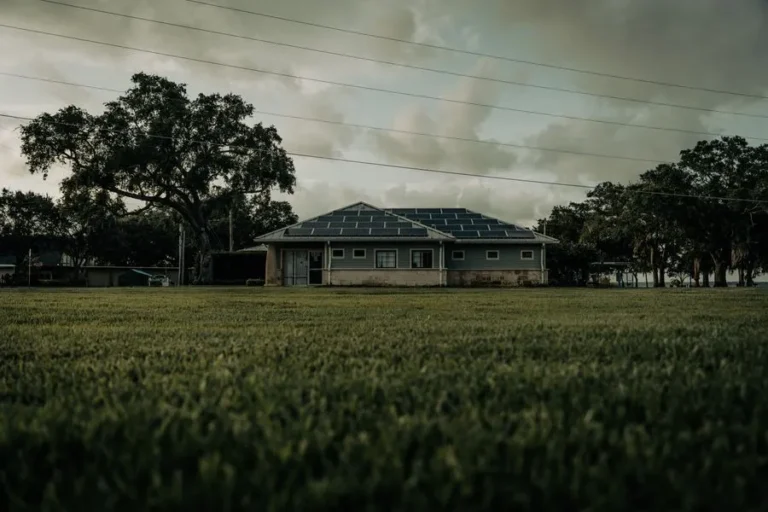
Scottsmoor
Acreage homes and older houses in the rural north end of the area.
AC repair in Scottsmoor →
FAQs
AC Refrigerant Leak Repair Questions
Why is my AC running but not cooling?
The usual causes are a clogged filter, dirty coils, low refrigerant, or a compressor that is not engaging. The filter and thermostat are checked first, then the coil and the refrigerant charge. Each cause has a different fix, which is why the diagnosis comes before the repair.
Why does my AC freeze up?
Freezing usually means low airflow or low refrigerant. A dirty filter is the most common airflow cause. A system low on refrigerant runs colder than it should at the coil and ice builds up. Switch the system off, let the ice melt fully, and call before running it again, because running it iced up can damage the compressor.
What causes water leaking from my AC?
Most indoor leaks come from the condensate drain. The drain line clogs with dust and algae, the pan fills, and water spills over. A frozen coil that thaws can also release water in the same place. The drain is cleared and the pan is checked as part of the visit.
How often should I change the AC filter?
Check it every month during cooling season and change it when it is dirty. A typical home changes it every one to three months, and homes with pets, dust, or constant running need it more often. A clean filter protects airflow, cooling, and the coil.