



Open now, calls taken 24/7 | AC repair in Titusville, FL
Home › AC Repair in Port St. John
Local AC repair in Port St. John
Calls answered day and night, weekends included.
Downtown, North, South, Mims, Port St. John, Scottsmoor.
Four repair services. One trade, done properly.
One call. No forms, no waiting on an email reply.
Open 24/7 in Titusville, FL
Services
AC dead in the Florida heat? Call any hour, day or night. The fault is diagnosed on site, repaired, and the cooling is checked before we leave.
Learn more →
The unit runs but the air is warm. Airflow, coils, refrigerant, and the compressor are checked until the real cause is found and fixed.
Learn more →
Air handler, condenser, ducts, thermostat, and controls. The whole central system is inspected, repaired, and tested as one.
Learn more →
Low refrigerant means a leak somewhere. The leak is located, repaired, and the system is charged back to the correct level.
Learn more →
Local area
Local conditions
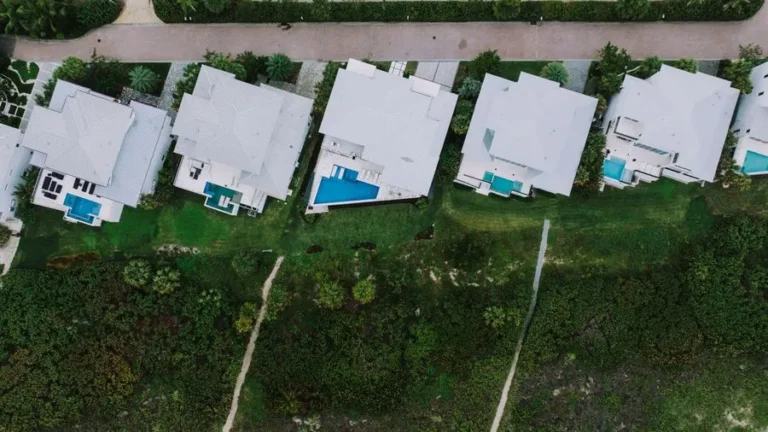
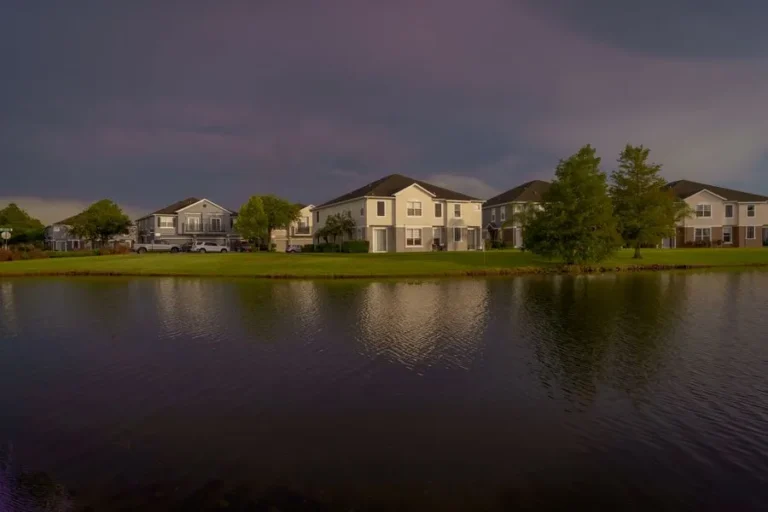
Port St. John is a residential community south of Titusville along the Indian River, with many homes built from the 1970s onward. Homes from different decades mean different equipment, so each visit starts by reading the system that is actually installed.
Central systems of varying age serve these homes, and a system that runs constantly without cooling the house is a common call. That pattern usually points to low refrigerant, a dirty coil, or a failing compressor, and each is tested before any repair is made.
Homes and businesses

Homes in Port St. John get the same AC repair service as the rest of Titusville: one trade, one city, calls taken 24/7, including nights and weekends. The fault is found and fixed, and the cooling is confirmed before we leave.
Businesses in Port St. John with an AC repair problem can call the same number. Describe the problem and it is handled from there. The goal is a usable, cool space again as soon as the repair is done.
How it works
Call (321) 555-0100 and say what the AC is doing, which part of Titusville you are in, and when it started.
Thermostat settings, batteries, the breaker, and the outdoor disconnect are checked first, because the simple causes come first.
The indoor and outdoor units are inspected and tested with gauges and meters until the actual fault is found.
The repair is made, then the system runs while the air at the vents is measured to confirm it is cold.
Problems we fix
Usually a clogged filter, dirty coils, low refrigerant, or a compressor that is not engaging.
Often a tripped breaker, a blown fuse, a failed capacitor or contactor, or a thermostat that has lost power.
Low airflow from a dirty filter or blower problem, or a system low on refrigerant.
A clogged condensate drain line, a full or cracked drain pan, or a coil that froze and is now thawing.
Short cycling from thermostat placement, low refrigerant, a dirty coil, or a unit too large for the space.
Warning signs
Service areas
Homes and businesses near the lagoon and the historic downtown streets.
AC repair in Downtown →
Neighborhoods running north toward the wildlife refuge and the space center.
AC repair in North Titusville →
Established streets and newer homes along US-1 on the south side.
AC repair in South Titusville →
Rural lots and newer builds northwest of Titusville along US-1.
AC repair in Mims →
Residential streets south of Titusville along the Indian River.
AC repair in Port St. John →
Acreage homes and older houses in the rural north end of the area.
AC repair in Scottsmoor →
Local AC repair, day or night
FAQs
Yes. Port St. John is one of the Titusville areas served. Call the number on this page any time, day or night.
Yes. Calls are taken 24/7, including nights and weekends.
The usual causes are a clogged filter, dirty coils, low refrigerant, or a compressor that is not engaging. The filter and thermostat are checked first, then the coil and the refrigerant charge. Each cause has a different fix, which is why the diagnosis comes before the repair.
Freezing usually means low airflow or low refrigerant. A dirty filter is the most common airflow cause. A system low on refrigerant runs colder than it should at the coil and ice builds up. Switch the system off, let the ice melt fully, and call before running it again, because running it iced up can damage the compressor.
Most indoor leaks come from the condensate drain. The drain line clogs with dust and algae, the pan fills, and water spills over. A frozen coil that thaws can also release water in the same place. The drain is cleared and the pan is checked as part of the visit.